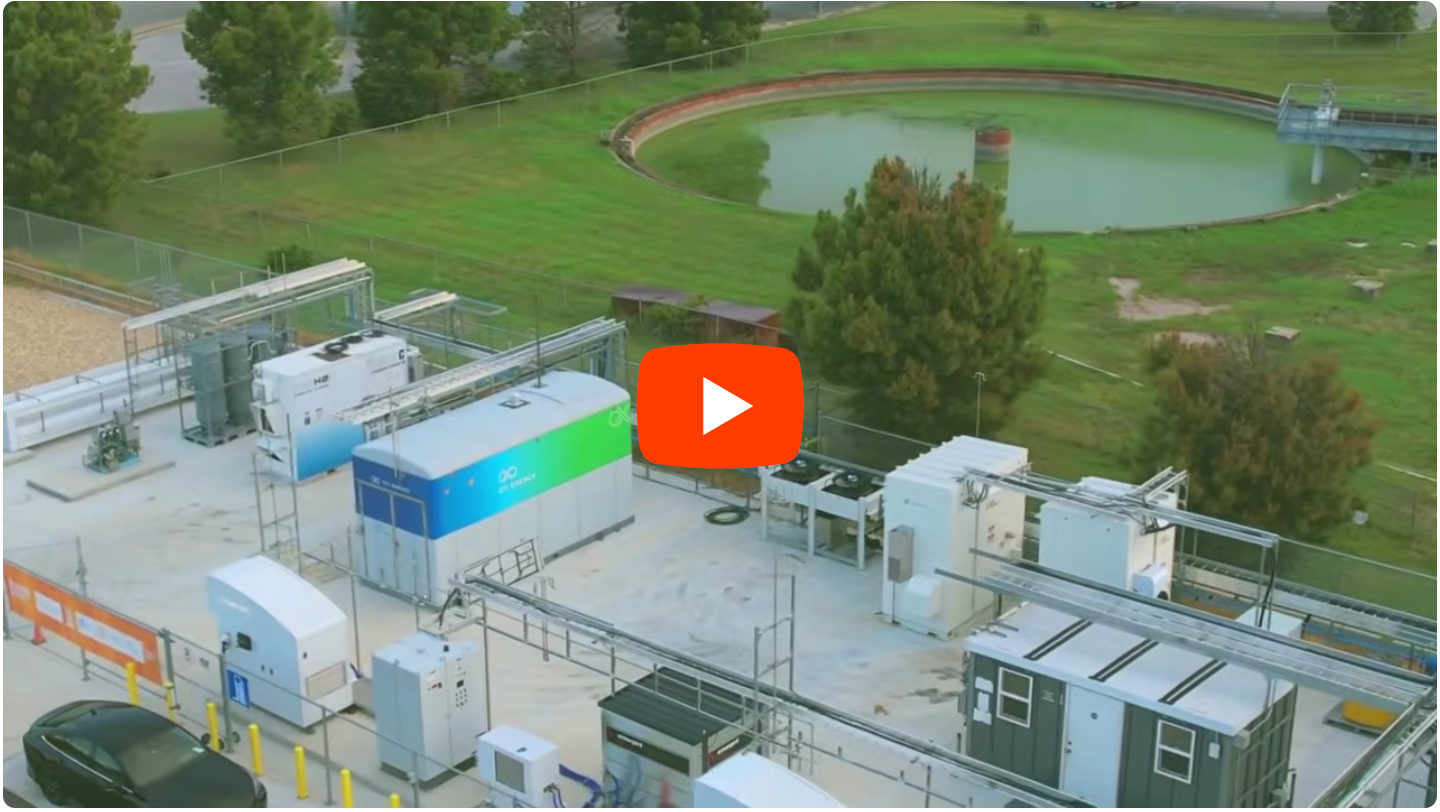
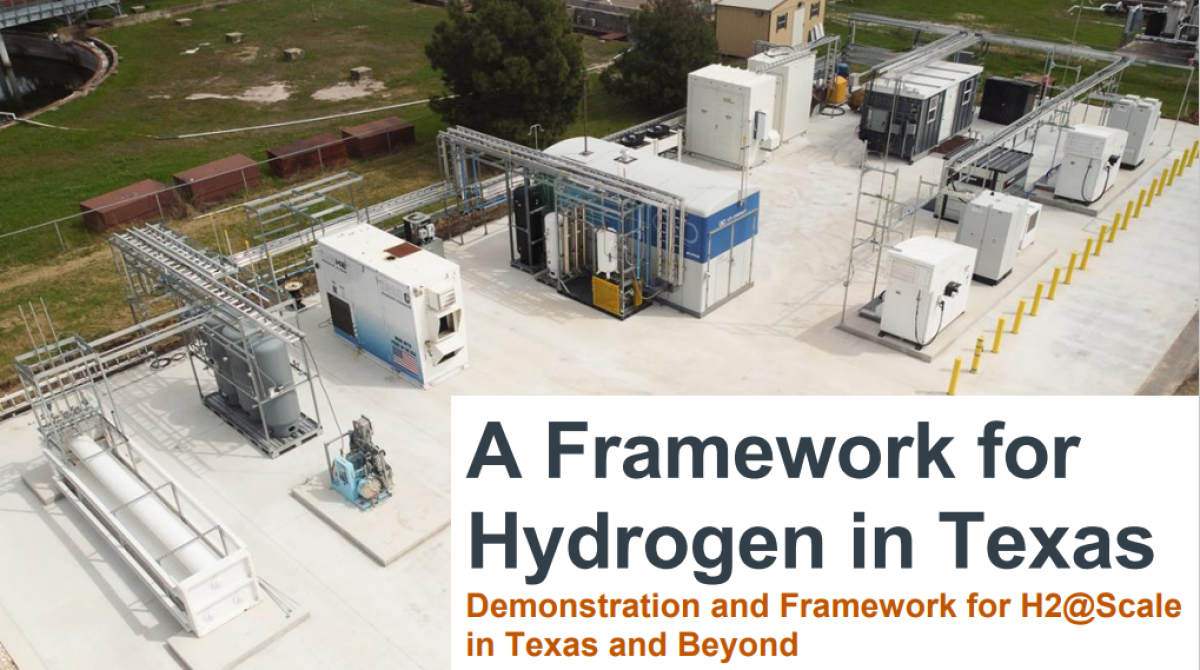
A Framework for Hydrogen in Texas
The project team, led by University of Texas at Austin researchers, developed an economic optimization model, supported by stakeholder workshops, to determine pathways for economical expansion/build-out of low-carbon hydrogen production capacity in Texas, including steam methane reforming with CO2 capture and electrolysis paired with wind and solar power. The model identified regions in Texas that offer positive return on investment for construction of H2 production and transportation facilities (e.g., pipelines, or trucked compressed or liquefied H2 for smaller markets) to meet demand in the transportation sector. The methodologies and Monte Carlo simulation capabilities underpinning the model are transferable to other states with geologic CO2 storage and geologic H2 storage capacity.
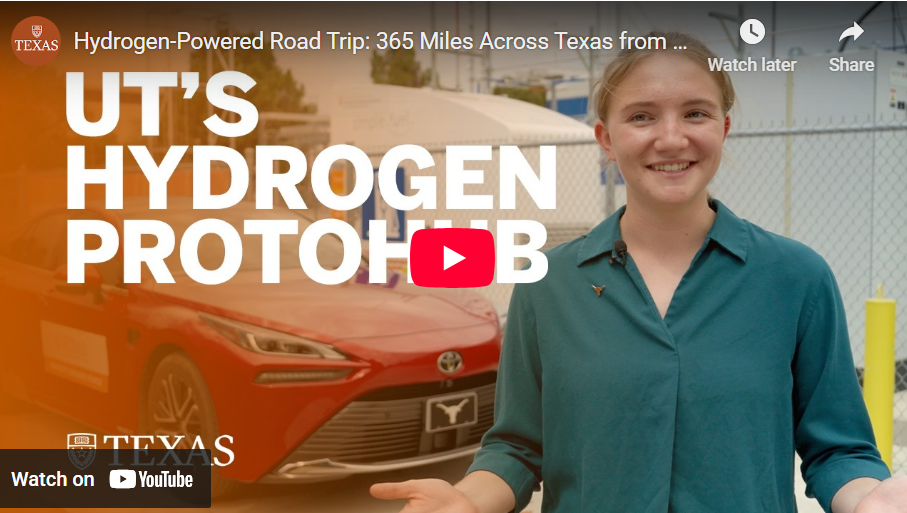
YouTube Videos
University of Texas White Papers
- Hydrogen, Air Quality, and Climate Change (2025)
- Determining Life Cycle Emissions of Hydrogen Production Using the 45VH2-GREET Model for the 45V Hydrogen Production Tax Credit (2024)
- Texas’ Role in the Future Global Demand for Hydrogen (2023)
- Hydrogen Blending in Texas Natural Gas Power Plants at Scale (2022)
- Analysis of Hydrogen Fuel Cell Class 8 Trucks (2022)
- Renewable Electrolysis in Texas: Pipelines versus Power Lines (2021)
- (Rice University) Developing a Robust Hydrogen Market in Texas (2023)
DOE Hydrogen Program Annual Merit Review and Peer Evaluation
- Project PI presentation (2024): “Demonstration and Framework for H2@Scale in Texas and Beyond”
- DOE Annual Merit Review and Peer Evaluation Report (2024), Systems Development and Integration section (H2@Scale-Texas project begins on report p.390 (file p.42))